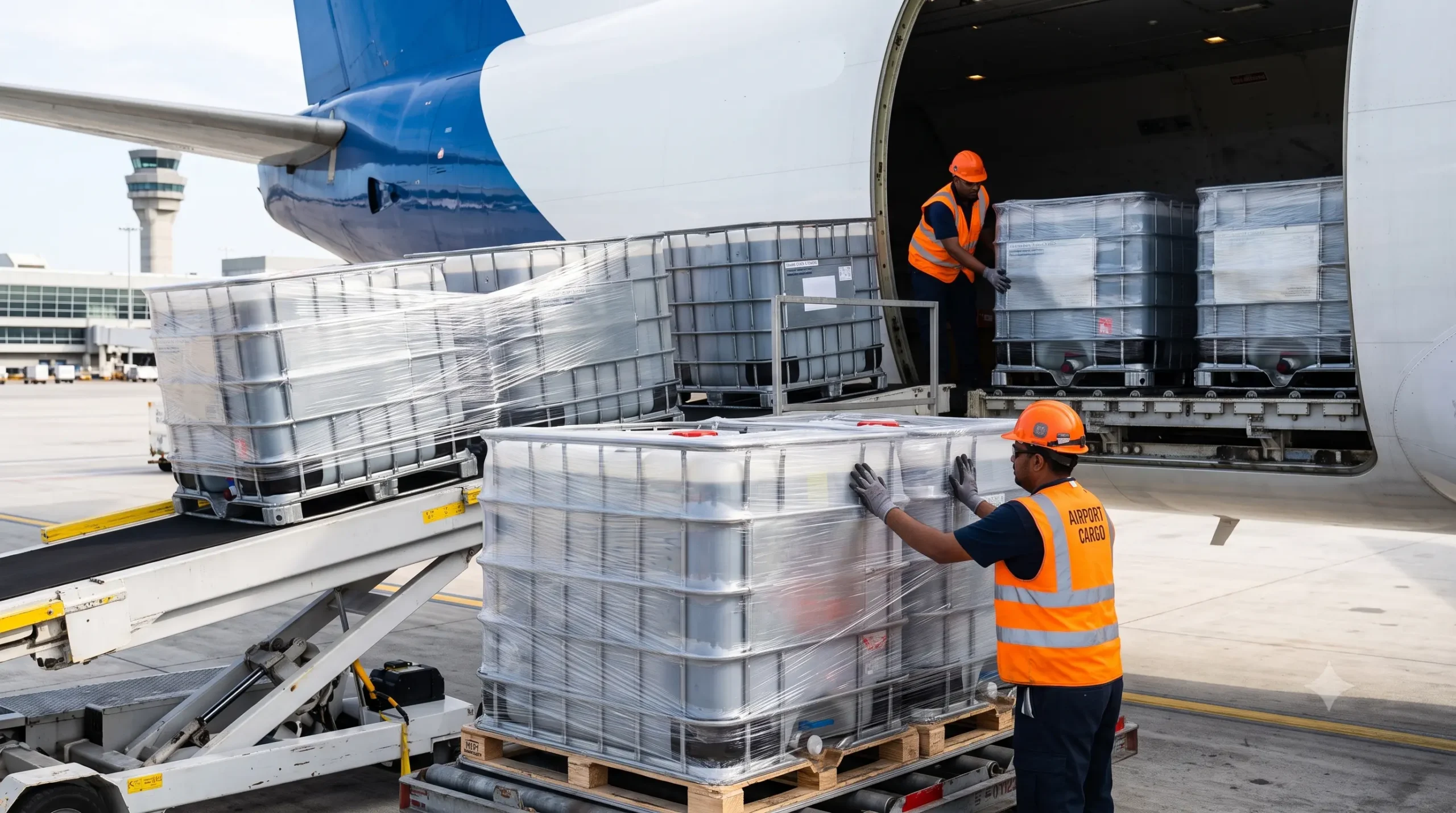
Now that social commerce is driving sales, your shipping strategy is your growth strategy. Shipping capacity is often one of the first real limits on how far you can scale, even when demand and marketing are working.
The execution of seller shipping now sits at the intersection of margin and customer trust, acting as live infrastructure that can influence whether your brand rises or fades across social and marketplace channels. From years of watching fast-growth brands and platforms scale, our teams have seen that the shipping model behind the scenes usually determines which way it goes.
Sellers can scale faster than ever because demand can be manufactured almost on command. A single creator video on TikTok can send orders surging for a Shopify or WooCommerce store, reaching volumes that used to require a full retail operation. Social commerce platforms compress the distance between impression and purchase, but they don’t automatically expand your underlying capacity to fulfill reliably. That gap is where seller shipping challenges often start, and where a more intentional shipping model makes the difference between chaos and controlled growth.
For a modern eCommerce business, seller shipping includes the shipping options at checkout, the pricing logic to protect margin, and the delivery services that can realistically hit the timelines you advertise. It’s how you decide when to use standard shipping, expedited services, or same‑day for certain zip codes, and how you keep those promises when peak season or a viral moment hits. When you get those decisions right, shipping becomes an engine for long‑term customer loyalty and sustainable growth and that’s the part of the business ePost Global has spent decades studying and supporting.
Inside a Seller Shipping System
On marketplaces and social commerce platforms, seller shipping is the model where the platform shifts delivery responsibility to you instead of handling it through its own network. You avoid paying extra fulfillment fees and gain more control over carriers, methods, and costs, but you are still on the hook to meet the platform’s delivery promises and tracking standards, and your account is judged on how well you perform against them.
Seller shipping is the process that moves an order from confirmed to delivered, and back again if a return is involved, using your own facilities or third‑party centers. It covers domestic fulfillment as well as international shipping where customs and longer transit times are part of everyday reality. It governs how you generate and manage labels, route parcels, and align shipping methods with what buyers expect on each platform.
It also includes landed cost accuracy. If duties and taxes on cross‑border orders aren’t estimated correctly, you may see pressure on margin and more support questions, while the right setup keeps costs predictable and transparent for everyone. Seller shipping requires tracking reliability too, making sure tracking numbers work as expected and status updates arrive in near real time so customers and platforms don’t have to ask “Where is my order?” every time a shipment pauses.
Returns management and platform SLAs also sit inside seller shipping. How you define return methods and process inbound parcels can support repeat purchases and healthy cash flow, while meeting handling‑time and delivery expectations that determine your account health. Taken together, seller shipping is the label platforms use for a model where each retailer has to build its own process to deliver on those expectations at scale, without eroding service levels or profitability. ePost Global supports that work as infrastructure behind the scenes, helping brands and platforms build seller shipping models that hold up under scrutiny instead of becoming a constraint on growth.
The Seller Shipping Pressure Model
Pressure on seller shipping rarely comes from a single source anymore. It tends to build from several directions at once, with demand swings, platform expectations, international rules, customer standards, and tight margins all interacting in the same system.
A viral spike or a new marketplace requirement might not cause problems on its own. When they hit at the same time, though, they can test how resilient your shipping model really is, and you may start to see more refunds and higher support volume as a result. Over time, that pattern can resemble a seller death spiral, where shrinking visibility and hesitant repeat buyers quietly push up what you spend to win each order—something our teams have watched play out more than once across fast‑growth brands and platforms.
The good news is that it doesn’t have to stay that way. The same model that shows where pressure comes from also points to where you can relieve it. By rethinking how you design and operate seller shipping, it’s possible to absorb volatility and stay within platform guardrails while keeping customers confident, even when demand moves faster than your old playbook. ePost Global exists because we’ve spent decades helping customers add that resilience layer in practice, so those pressure points become something you plan for instead of something that derails growth.
Domestic vs. International Seller Shipping
Domestic Seller Shipping
A domestic seller shipping setup is primarily about coverage and cost control across zones. It also has to deliver consistency so that customers know what to expect every time they order. Carrier selection and multi‑carrier optimization determine whether you can maintain predictable shipping rates while still offering competitive delivery speeds. From there, zone-based cost structures and last‑mile reliability guide how you choose among USPS, regional carriers, and parcel consolidators. As volume scales, your domestic model needs enough flexibility to keep standard shipping viable for longer distances and reserve premium options for moments when speed materially affects conversion.
International Seller Shipping
International shipping introduces a different set of constraints. Customs documentation, duties and taxes (whether you operate on DDP or DDU), and country‑specific regulations shape how you configure shipping options for each market. Transit variability is higher, and returns are more complex from both a freight cost and an inventory lag perspective. Sellers running a seller‑fulfilled model into multiple regions need to align their shipping settings to each lane’s reality; when promised timelines and actual performance drift apart, questions in support queues and occasional negative feedback tend to follow.
Early on, relying on a single shipping carrier or freight forwarder can feel efficient. As volume and geography expand, however, doing so can increase your exposure to disruption. A carrier network issue or a regional strike in one corridor might create pressure on SLAs and refunds, but with diversified options and the right partner, you can route around those disruptions and keep service levels on track. For many brands, that’s where ePost Global’s multi‑carrier, cross‑border network and GLS partnership come in, providing prebuilt lanes, localized delivery options, and delivery expectations that match how international customers actually buy.
Platform-Driven Seller Shipping Risk
Platform rules often turn shipping decisions into platform risk decisions. Choosing the wrong shipping method—whether you default to standard when you should segment or promise same‑day where you lack coverage—can quietly distort shipping costs and compress margin across thousands of orders. These effects often build gradually over a season and only later show up clearly in your metrics and P&L.
How Platforms Read Your Shipping Behavior
Platforms react to seller shipping patterns in direct and indirect ways. Late fulfillment and slow delivery can lower your standing in search and recommendation engines, while tracking gaps that leave buyers without reliable order status tend to generate more disputes and manual interventions. If dispute and refund rates rise over time, platforms may respond with higher fees or reduced exposure, and in more serious cases, temporary payout holds or account reviews.
What Maturity Looks Like
Seller shipping maturity means tying your pricing and shipping options to real transit performance, not just advertised timelines. It starts with looking at your data lane by lane and matching service levels to what carriers actually achieve. From there, you can tune shipping settings in Seller Center and other marketplace consoles so shipping becomes a managed risk function that supports long‑term growth instead of an occasional surprise—a shift our team has seen separate platforms that keep their account health stable from those that are constantly reacting.
The WISMO Multiplier
“Where is my order?” can quickly multiply both cost and reputational risk when it isn’t handled well.
What Customers Now Expect
Customers expect an immediate notification once orders ship and a tracking number that actually works. They also expect tracking information that updates in near real time as parcels move through networks, so they can check status without having to email or message you for basic answers.
What Happens When WISMO Breaks
As order volume increases, tracking expectations rise with it, and international inquiries tend to spike as shipments cross borders and pass through customs. When customers feel they’re not getting clear updates, they’re more likely to escalate publicly through social channels or platform reviews instead of waiting quietly for resolution.
In that environment, gaps in seller shipping and tracking can turn into higher support workload and reputational risk rather than simple one‑off issues. When tracking information lags or a tracking number fails to update for days, support teams spend more time chasing carrier portals, and leadership has a harder time seeing what’s actually happening in the network. Over time, the effort required to handle WISMO escalations can put unexpected pressure on the margin that seller shipping is meant to protect, but with reliable, integrated tracking flows in place, WISMO becomes a manageable part of doing business instead of a constant fire drill, which is the shift our teams work on with brands and platforms every day.
Landed Cost and Seller Margin
Seller shipping has to build in landed cost discipline. Duties, taxes, tariffs, de minimis thresholds, and currency volatility all feed into whether an international order actually produces profit.
Where Landed Cost Failures Show Up
When sellers undercharge duties, they may end up absorbing the difference or seeing some shipments stalled and returned, which puts pressure on the P&L. Overcharging customers can create a different problem by hurting conversion and making pricing feel inflated. And surprising buyers with unpaid taxes on delivery is an easy way to discourage repeat purchases.
Misclassifying goods may seem like a minor clerical error, but at volume it can turn into a consistent margin leak or, in some cases, a compliance headache. At a $30–$60 average order value, small mismatches between estimated and actual landed cost add up quickly: a few percentage points off on each order can turn into a noticeable margin gap over a quarter. The brands we see winning here are the ones that model landed cost accurately up front so pricing stays aligned with reality and international growth supports margin instead of undermining it—often with help from partners who live and breathe cross‑border.
Returns and Reverse Logistics in Seller Shipping
Forward delivery is only half of what’s required with seller shipping. Returns and reverse logistics carry their own operational and financial weight, especially as volume and international reach grow.
How Returns Fit into Seller Shipping
Sellers operating through fulfillment centers, drop‑shipping setups, or hybrid arrangements have to make deliberate choices about returns. They decide where returned inventory lands and how quickly it is processed. They also have to make sure refund flows line up with cash and stock positions. A vague or slow process here undermines trust as surely as a late outbound shipment.
In practice, your seller shipping process also has to cover how you route returns back into the network and how you prevent unnecessary refusals. It defines the touchpoints where reverse logistics is written into carrier contracts instead of handled as a one‑off exception. Refund timing control matters; long gaps between a return scan and the associated refund create friction that shows up in reviews and repeat purchase behavior.
What International Returns Introduce
International returns introduce regional consumer‑protection rules (for example in the EU) and higher freight costs, both of which create cash flow stress if they are not modeled into shipping rates and policies. Longer inventory lag adds another layer of pressure as stock sits in transit instead of being available to sell.
Without a clear return shipping method and infrastructure, sellers face higher cancellation rates and more disputes. Over time, that pattern can drive persistent margin erosion, turning each return into a mini‑crisis instead of a predictable transaction. At ePost Global, our teams work with brands to define return locations, routing rules, and refund timing in advance, and our partnership with ShipWise provides a prebuilt cross‑border returns path into key markets like Canada and the EU so international orders follow a consistent, planned route back into your network.
Multi-Carrier Strategy for Seller Shipping
A multi‑carrier approach across key regional providers gives sellers room to maneuver. It allows you to adapt shipping method selection dynamically based on destination and basket value, using performance data instead of locking every order into the same pattern. For example, you might route lower‑value orders through a cost‑efficient standard service while reserving faster options for high‑value or time‑sensitive products where delay directly affects customer lifetime value. At ePost Global, we live and breathe multi‑carrier shipping because we see every day how this kind of model protects margins and customer experience when conditions change.
What Single‑Carrier Shipping Exposes
Single‑carrier seller shipping simplifies billing and operations in the short term but creates concentrated risk. Service degradation or capacity constraints immediately ripple through your entire book of business. SLA fragility increases during peak season when networks are already under strain, and platform metrics can slip even though demand is strong.
What a Multi‑Carrier Strategy Unlocks
A multi‑carrier strategy enables lane optimization and regional performance tuning, giving you levers to manage costs without sacrificing delivery reliability. When one path struggles, you can reroute without rebuilding your shipping logic from scratch. In seller shipping, resilience comes from having that option on the table instead of relying on a single path. This is where ePost Global focuses, continuously curating and managing carrier mixes so sellers don’t have to reinvent their routing logic every time markets, costs, or service levels move.
Seller Shipping Maturity Model
Seller shipping maturity is less about tools and more about how deliberately you design and operate them.
Stage 1: Reactive Shipping
In a reactive state, most sellers run from a single warehouse with a single primary carrier, relying on manual customs handling and ad hoc decisions when international orders appear. Shipping labels are generated inside whatever system is in front of the team that day, and shipping settings are changed often only when a problem becomes visible.
You know you’re here when:
- One facility and one carrier handle almost everything.
- International orders are exceptions, not planned flows.
- Configuration changes happen only after something breaks.
Stage 2: Structured Shipping
As structure develops, sellers begin to treat shipping methods, delivery services, and pricing as controllable inputs. They build a multi‑carrier mix, implement DDP setups for key markets, and work to improve tracking reliability and notification timing. At this stage, shipping options at checkout align more closely with what the network can deliver, and Seller Center metrics start to stabilize.
You know you’re here when:
- A defined multi‑carrier mix supports domestic and key international lanes.
- DDP is in place for priority markets, and tracking performance is reviewed regularly.
- Checkout options map to real service levels, and platform metrics stop swinging wildly.
Stage 3: Scaled Seller Shipping
Scaled seller shipping brings international lane sequencing, returns infrastructure, and domestic redundancy into a single model. Margin modeling sits on top, allowing leaders to see how changes in shipping rates, service levels, and carrier allocation affect profitability and platform risk.
You know you’re here when:
- Domestic and international lanes are designed as a network, not a collection of routes.
- Returns are handled through a defined infrastructure, not improvised per market.
- You can adjust carrier allocation or service levels and immediately see the impact on margin and risk.
Systems that appear sophisticated but skip these steps often struggle under real pressure.
What Strong Seller Shipping Enables
When you set up seller shipping to be structured deliberately, growth starts to behave like a repeatable system.
International expansion without chaos
You can enter new markets with a clear view of cost and transit behavior. Platform expectations become another input you plan for, not a surprise you discover after the first promotion lands. Launches shift from ad hoc tests to planned rollouts that your network can actually absorb.
Stable platform compliance
Handling time and cancellation rates are managed as ongoing disciplines. Tracking performance is reviewed and tuned on a regular cadence. That stability reduces surprise penalties, keeps Seller Center scores in range, and protects the exposure you’ve already earned.
Lower support load
WISMO noise declines as tracking becomes predictable and orders arrive when promised. Fewer tickets and escalations free your team to focus on proactive outreach and optimization instead of constant damage control.
Stronger repeat purchase behavior
Delivery reliability becomes part of the brand promise. Customers learn that when they order, the order simply shows up, which makes choosing you again an easy decision instead of a risk.
Margin protection at scale
Pricing and shipping rates are tied to actual performance and landed cost logic. Shipping options are then set to reflect that reality, not wishful thinking. Small variances stop compounding into structural profit issues as volume and geography expand.
At this point, seller shipping becomes a competitive advantage. It shapes how you position your product listing and how you use fulfillment centers, and it guides which shipping settings you rely on to unlock responsible growth across marketplaces.
Designing Seller Shipping With Intention
Optimizing seller shipping is not a tool selection problem. It is an operational design decision that determines whether growth remains profitable and sustainable, especially as social commerce accelerates the pace and volatility of demand.
The brands that treat seller shipping as infrastructure—spanning carriers, shipping methods, tracking, returns, and platform rules—are the ones that keep control when everyone else is reacting. That is where a partner like ePost Global matters, as a shipping infrastructure layer that brings multi‑carrier coverage and cross‑border expertise, along with guidance on configuring seller shipping to hold under real-world pressure. Meet with a seller shipping expert to explore the possibilities.