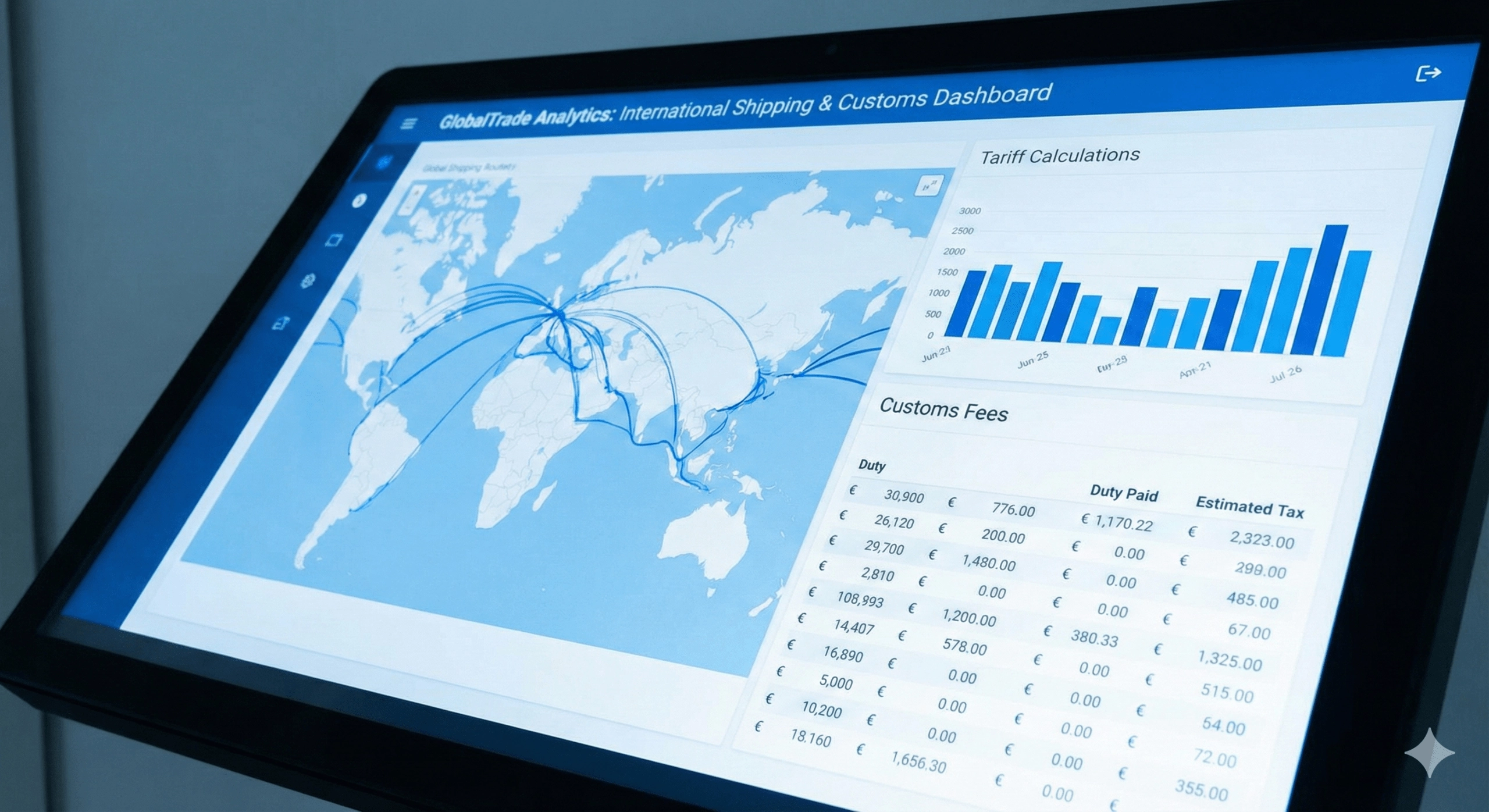
Cross-border tariff changes are creating uncertainty as customs authorities revisit how small parcels should be taxed. In SupplyChainBrain's Annual Resource Guide, Alison Layfield, Vice President of Product Development at ePost Global, examines how shifting tariff rules and de minimis changes are driving higher costs.

"E-commerce brands are operating under a cloud of uncertainty," Layfield writes. "This state of affairs is sure to deepen in the year ahead."
What's changing with international tariff shifts
European markets have advanced plans to remove de minimis thresholds earlier than anticipated. Member states have signaled interest in setting a flat import fee of two euros per parcel.
The challenge goes beyond just new fees. "Because these ideas are moving quickly, the interpretation isn't always consistent across the industry," Layfield explains.
At one point, discussions centered on a per-line-item charge rather than per-package for the flat import fee. "Even though that interpretation might not gain traction, the fact that it was seriously considered demonstrates the fluidity of the situation," Layfield notes.
Building flexibility into cross-border operations
Layfield urges brands to build agility rather than treating cross-border tariff changes as isolated updates.
Key actions:
- Track policy activity across key markets
- Plan for multiple scenarios: per-parcel fees, per-item fees, duty assessments on low-value goods
- Build IT systems that can shift quickly when rules change
"Traditional development timelines may not hold," Layfield explains. "IT teams need flexible processes that can absorb mid-cycle adjustments without creating operational risk."
Consumer expectations and checkout transparency
Rising total landed costs will affect consumer expectations. "Clear information at checkout and transparency about how those fees are changing are important," Layfield notes. "When consumers see the full cost upfront of taxes, duties and other new fees, they're less likely to walk away from a delivery they feel blindsided by."
What's next for cross-border tariff policy
"Many countries have completely changed their mindset on tariffs," Layfield writes. Tariff levels should stabilize over the next three to five years, but until then, organizations need flexibility built into their supply chain.
"Companies that invest in advanced technology and a strong network of logistics partners will be better prepared for whatever changes come next," she writes.
Read the full SupplyChainBrain article for Layfield's complete analysis and detailed scenarios.